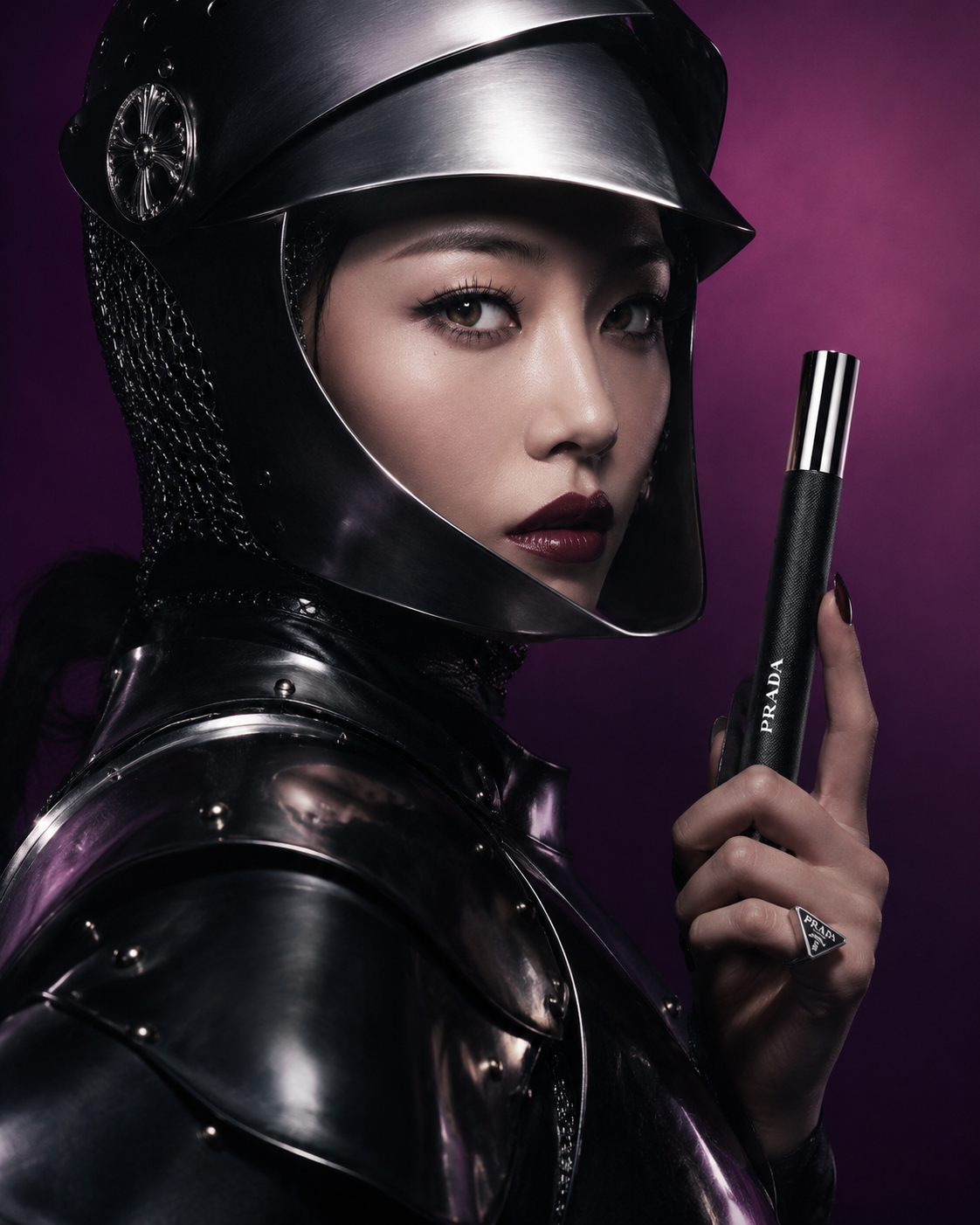
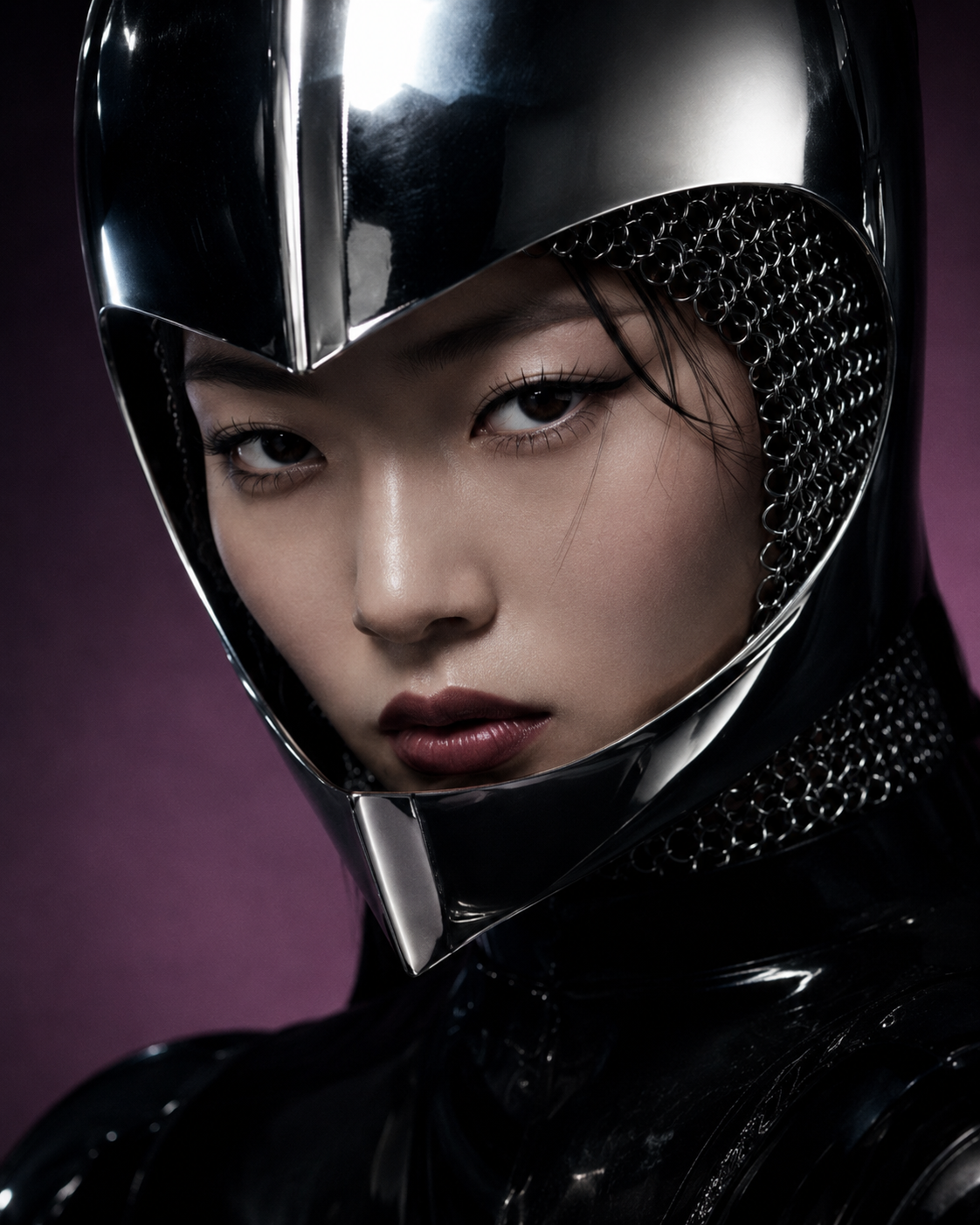
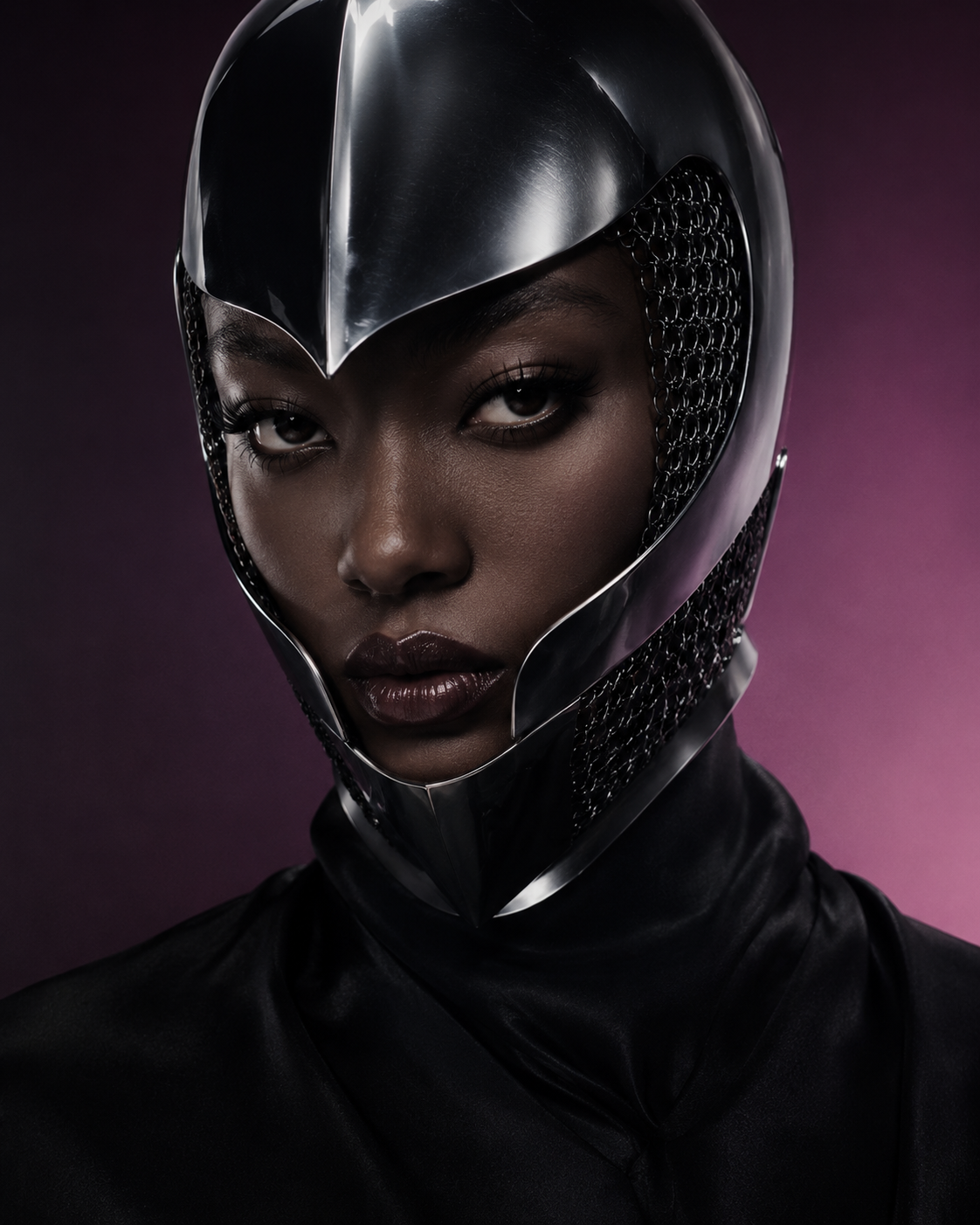
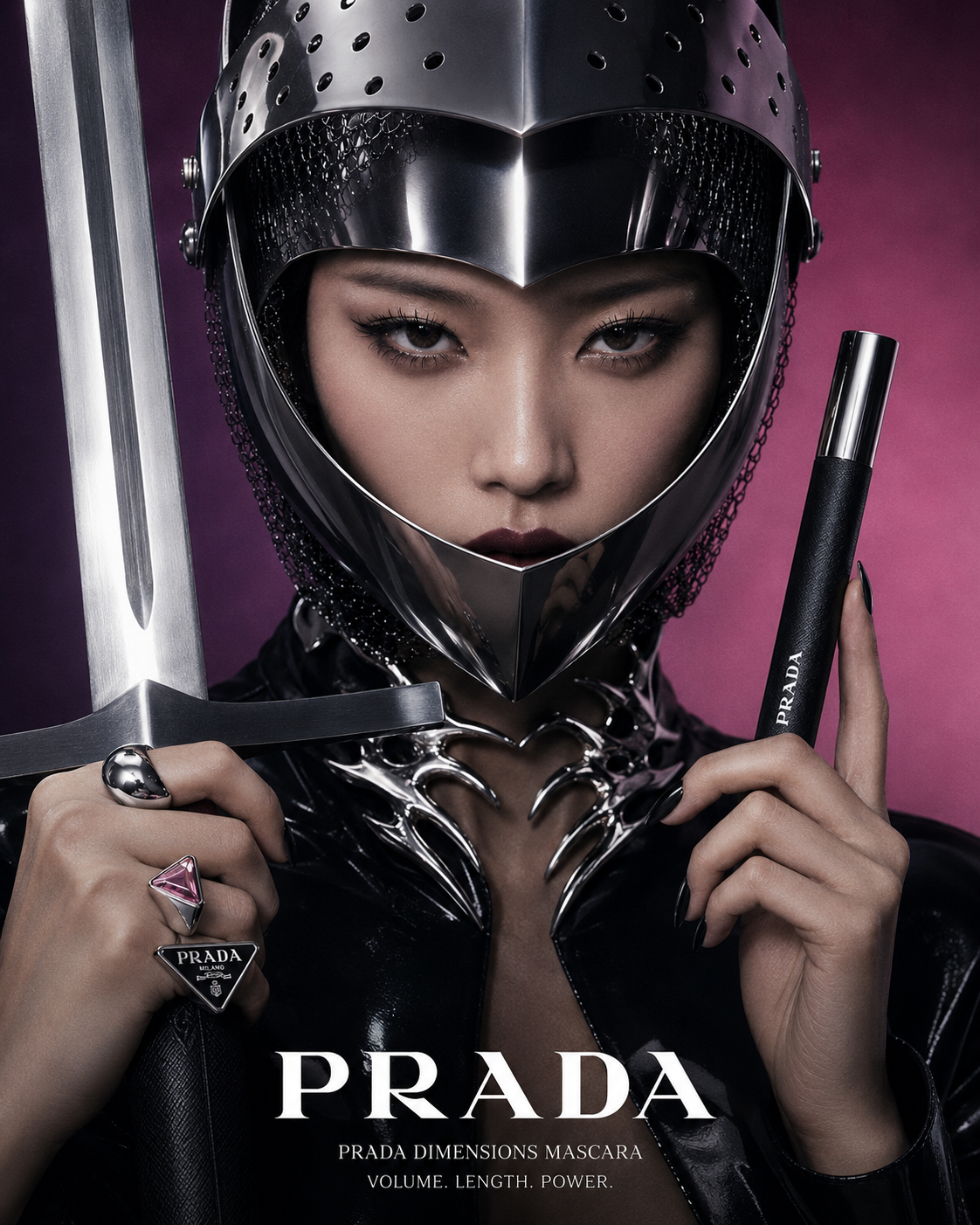
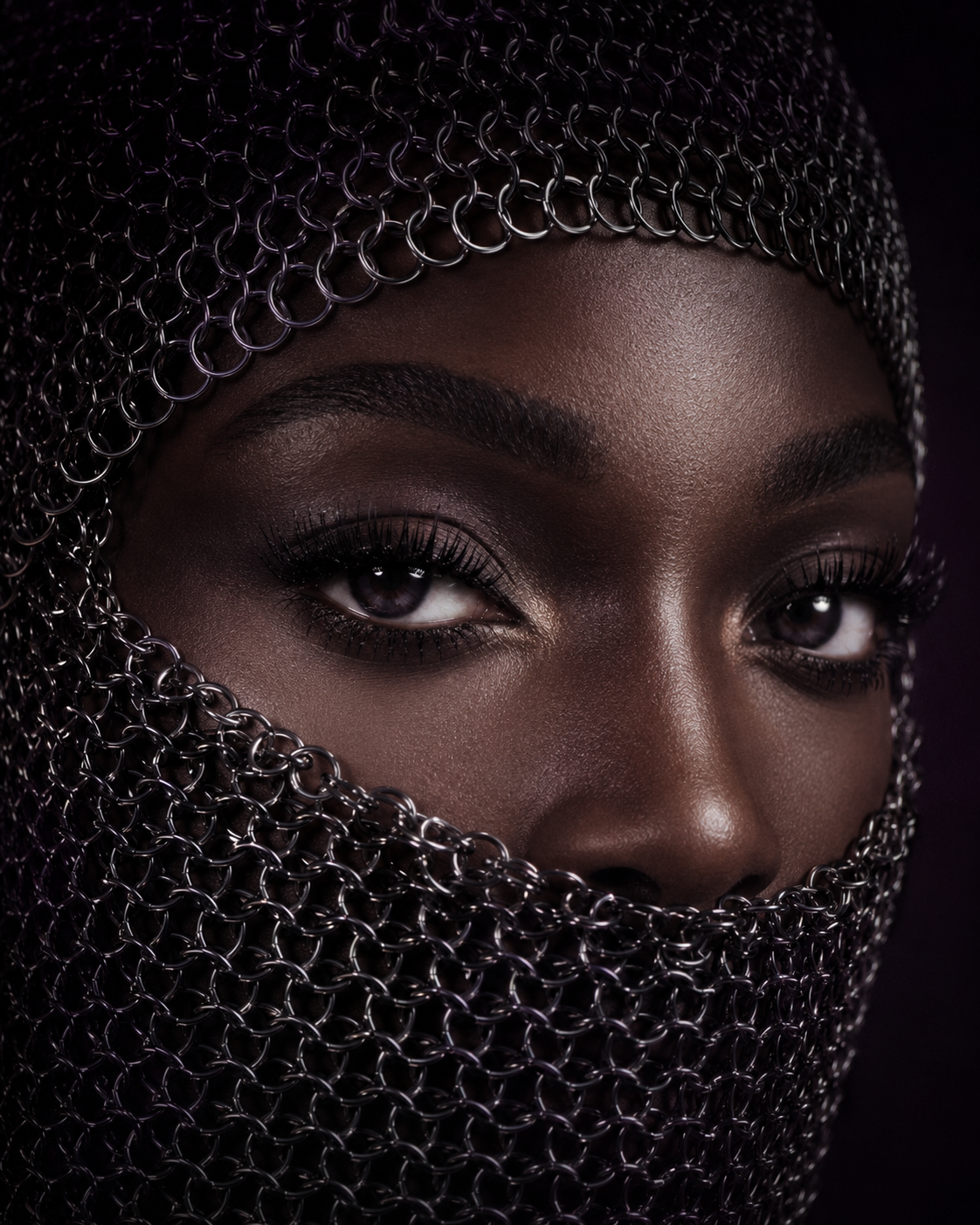
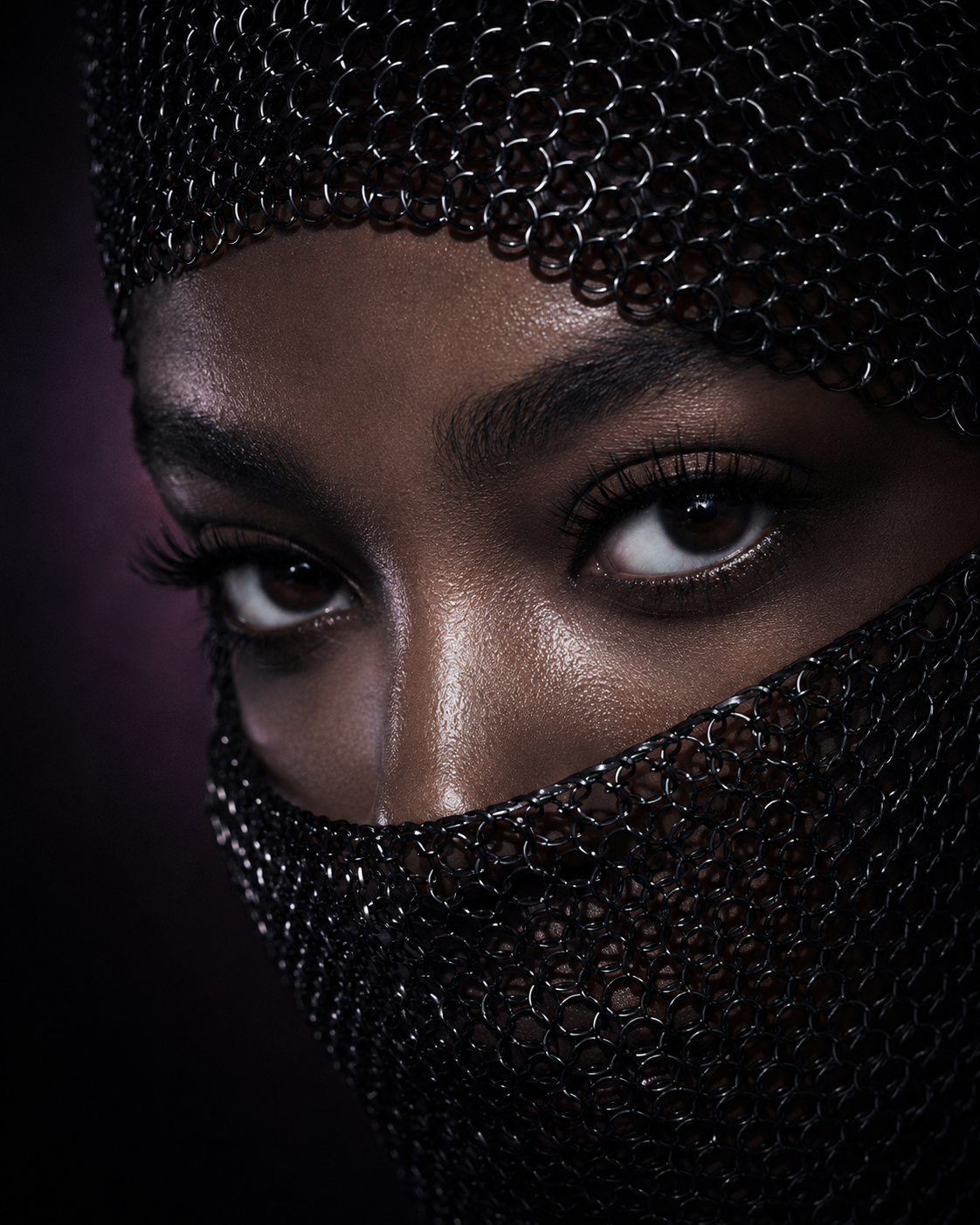
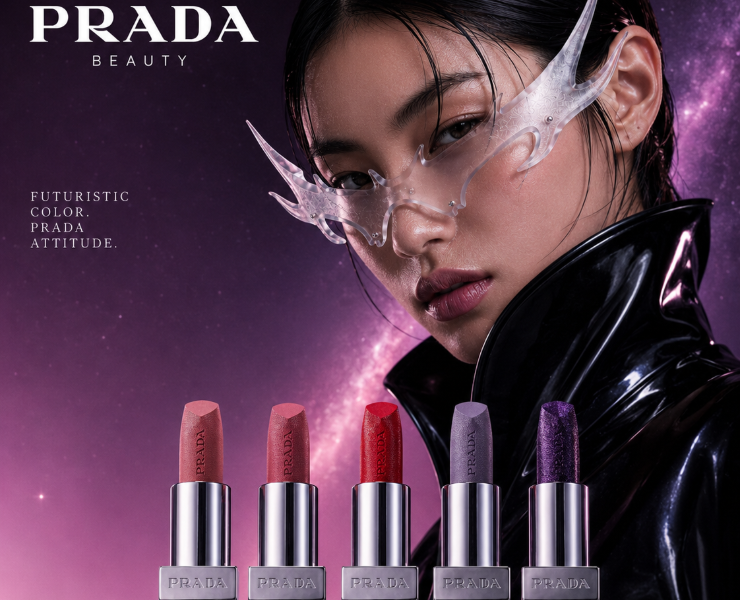
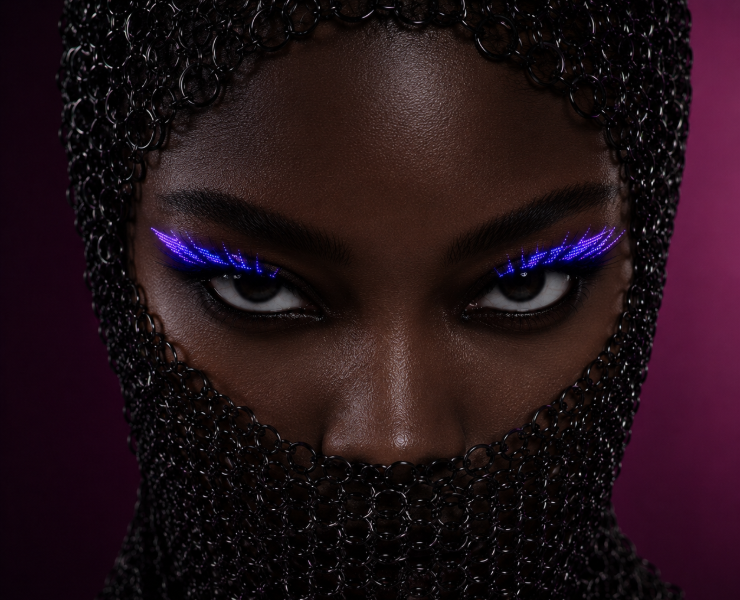
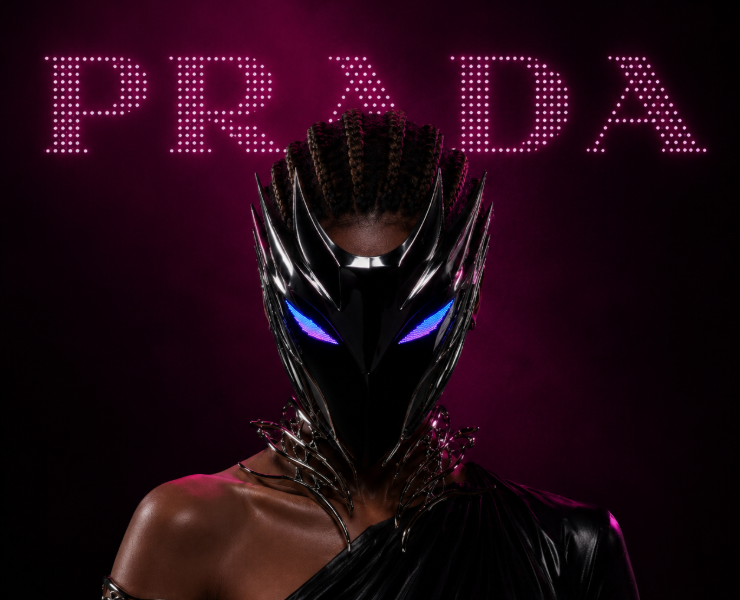
The campaign introduces the archetype of the modern female knight, whose greatest power does not come from a weapon or a suit of armour, but from her gaze.
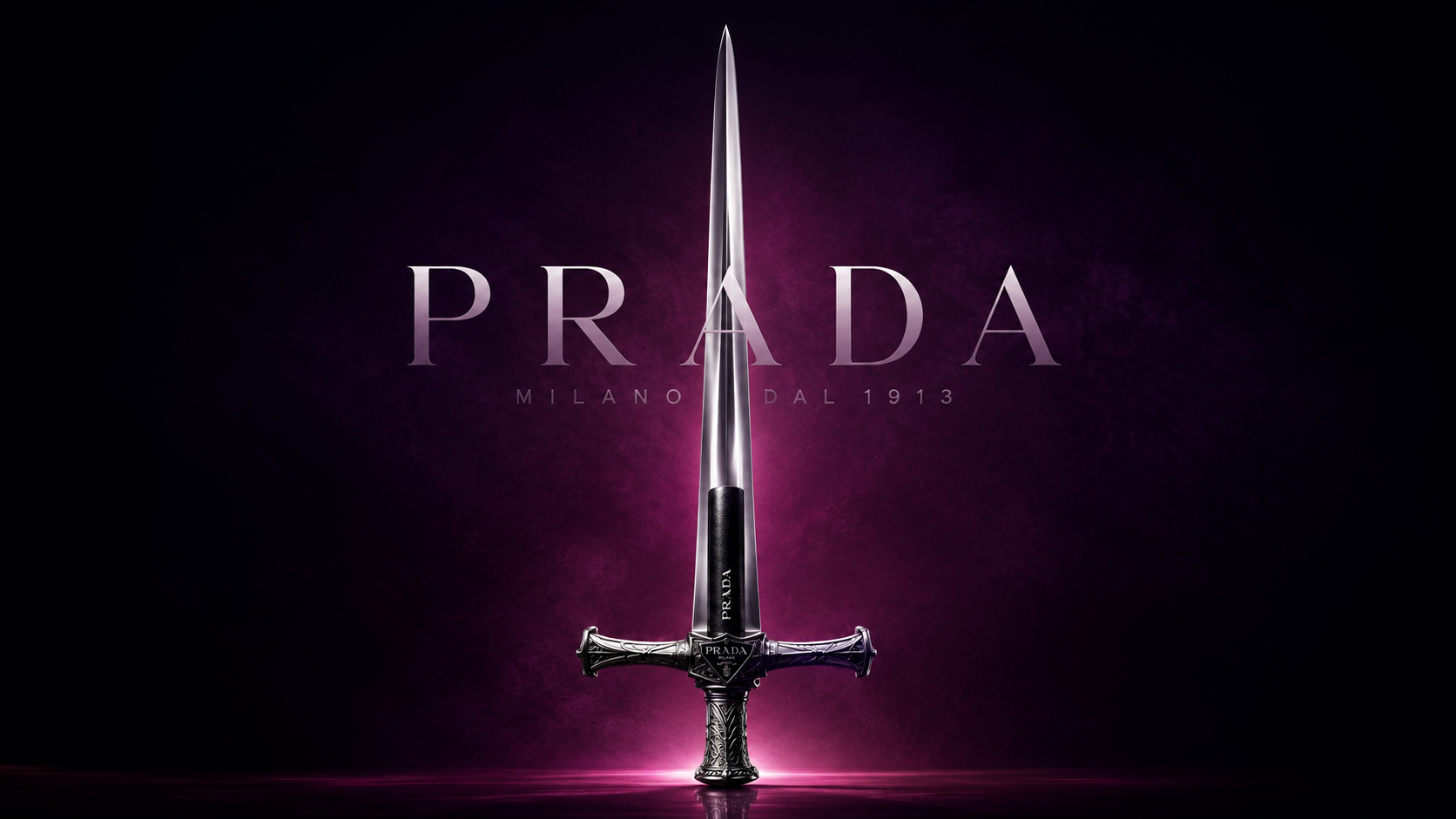
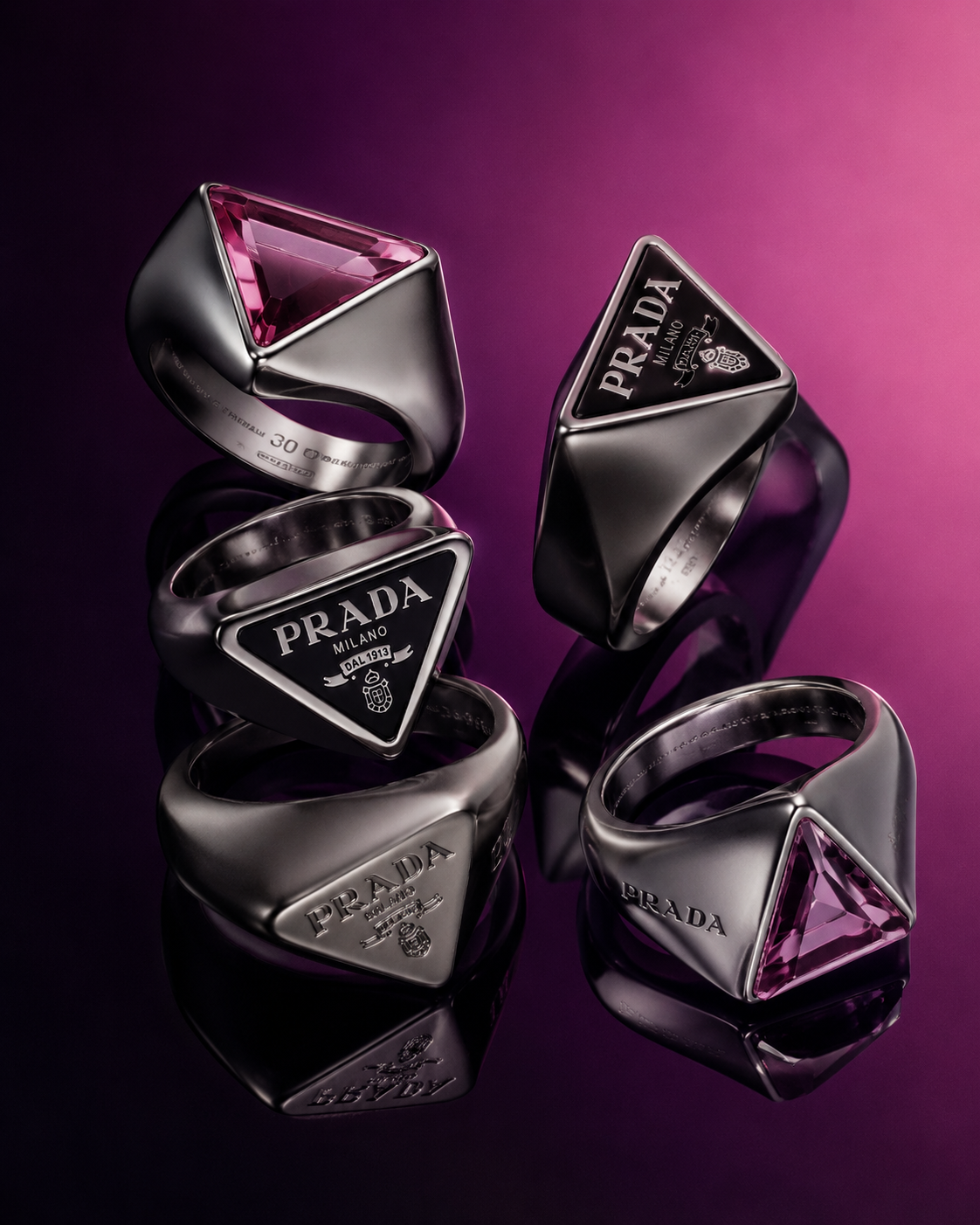
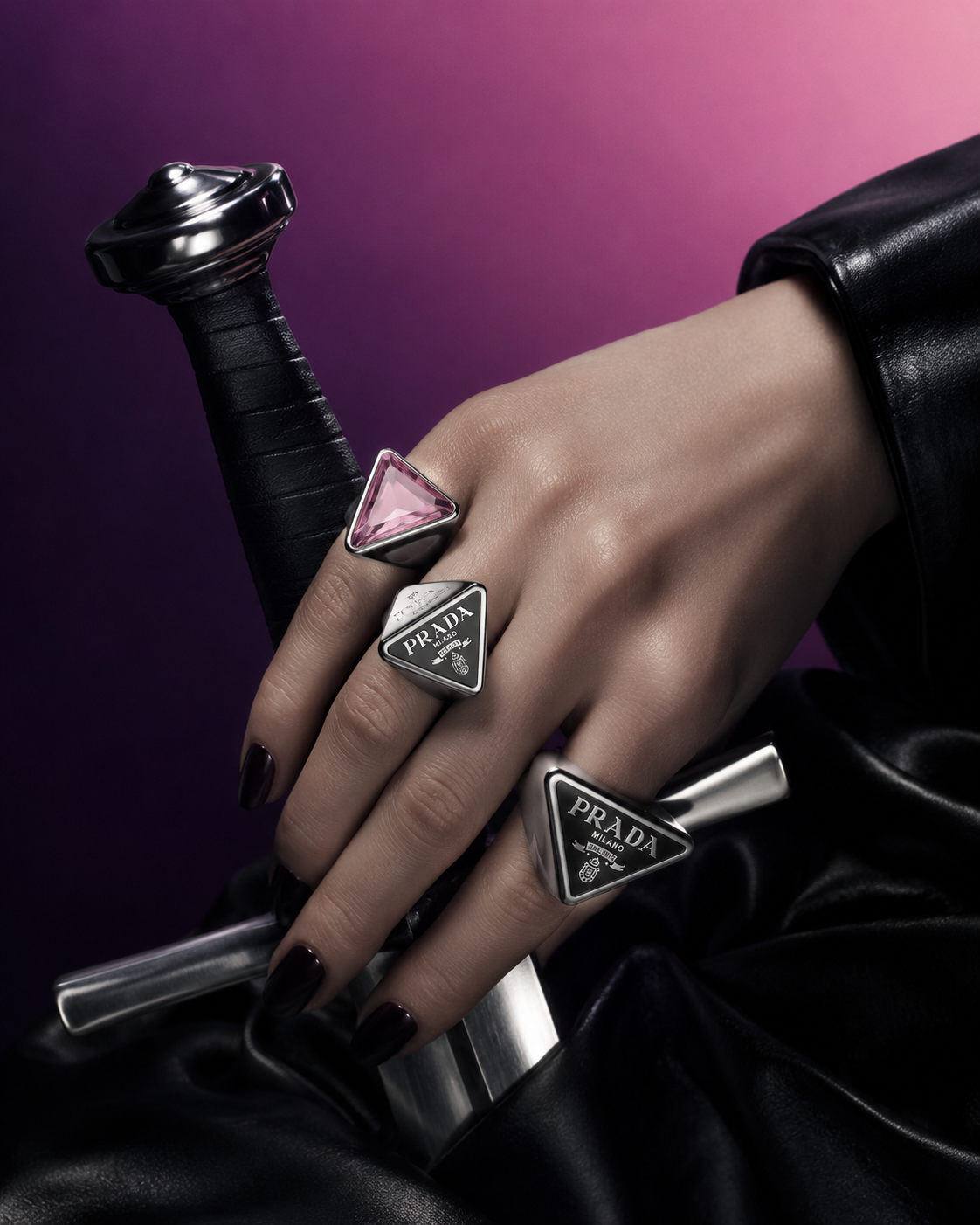
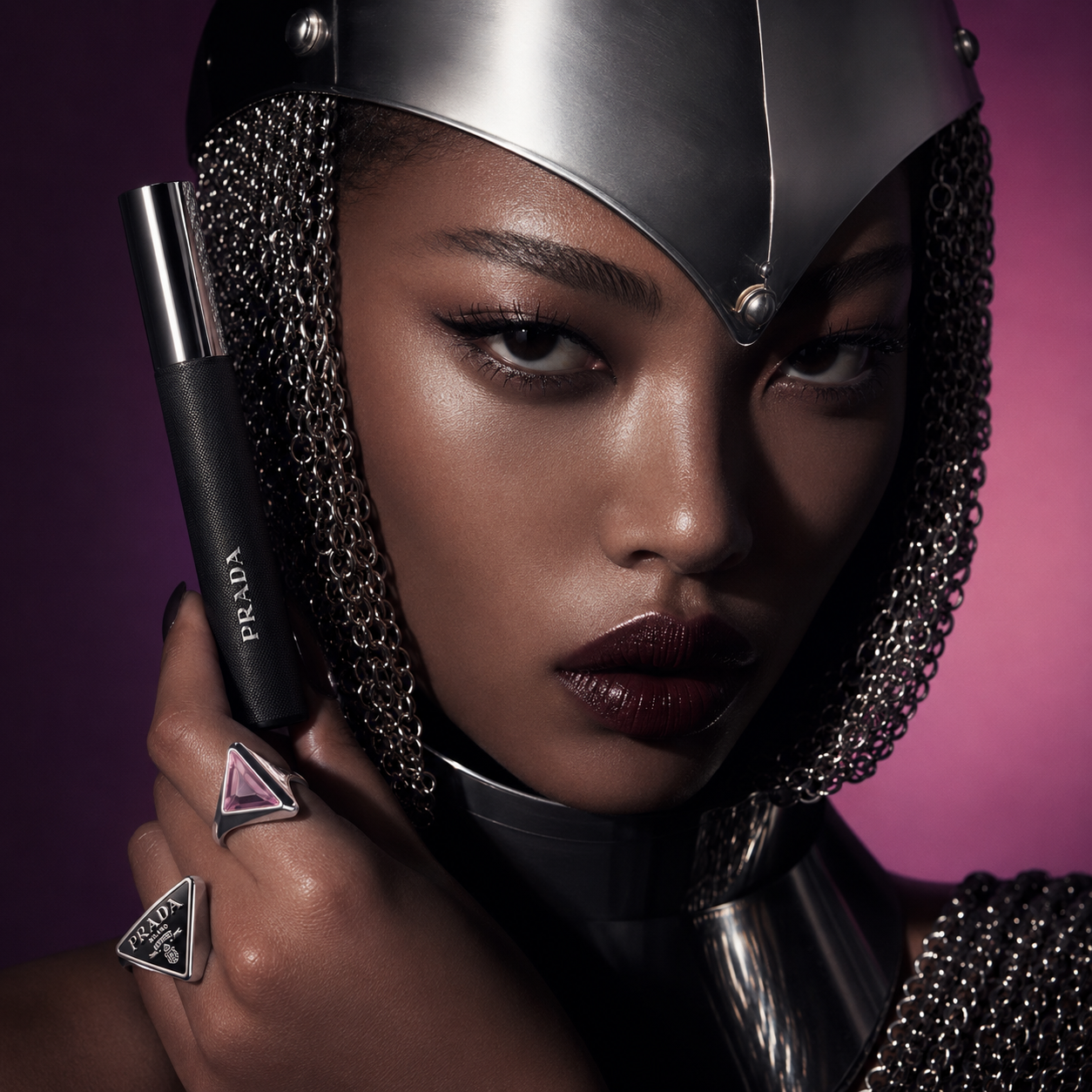
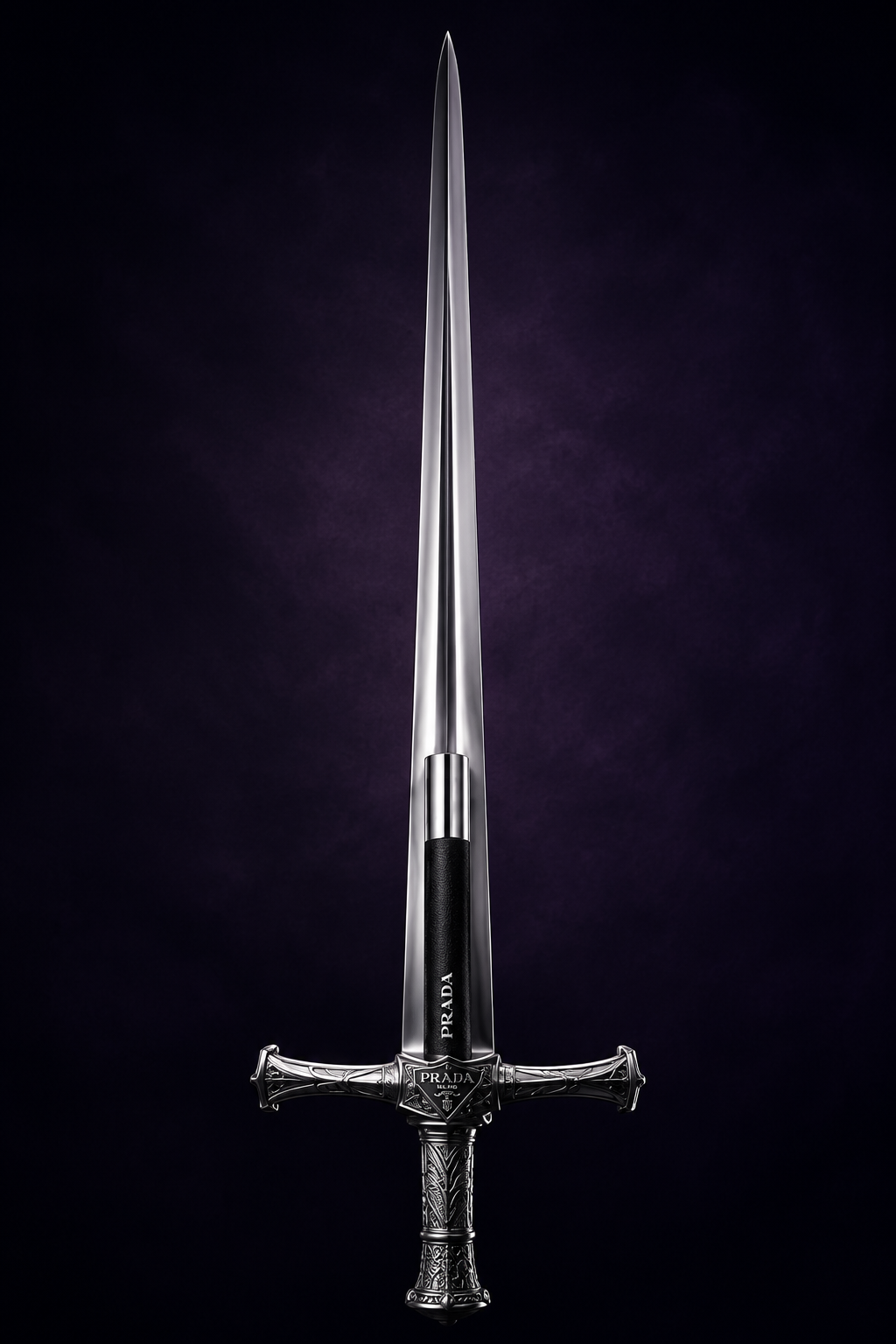
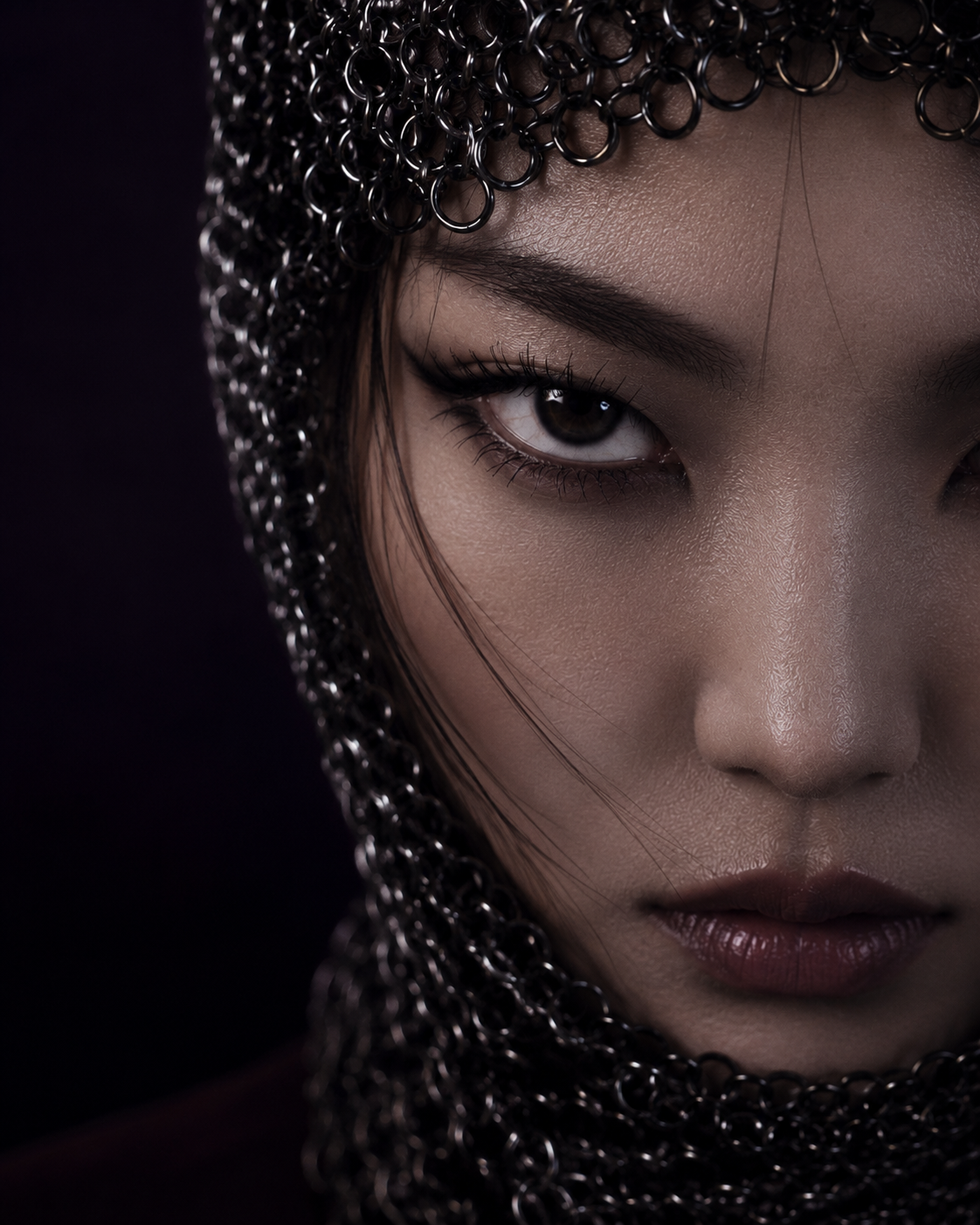
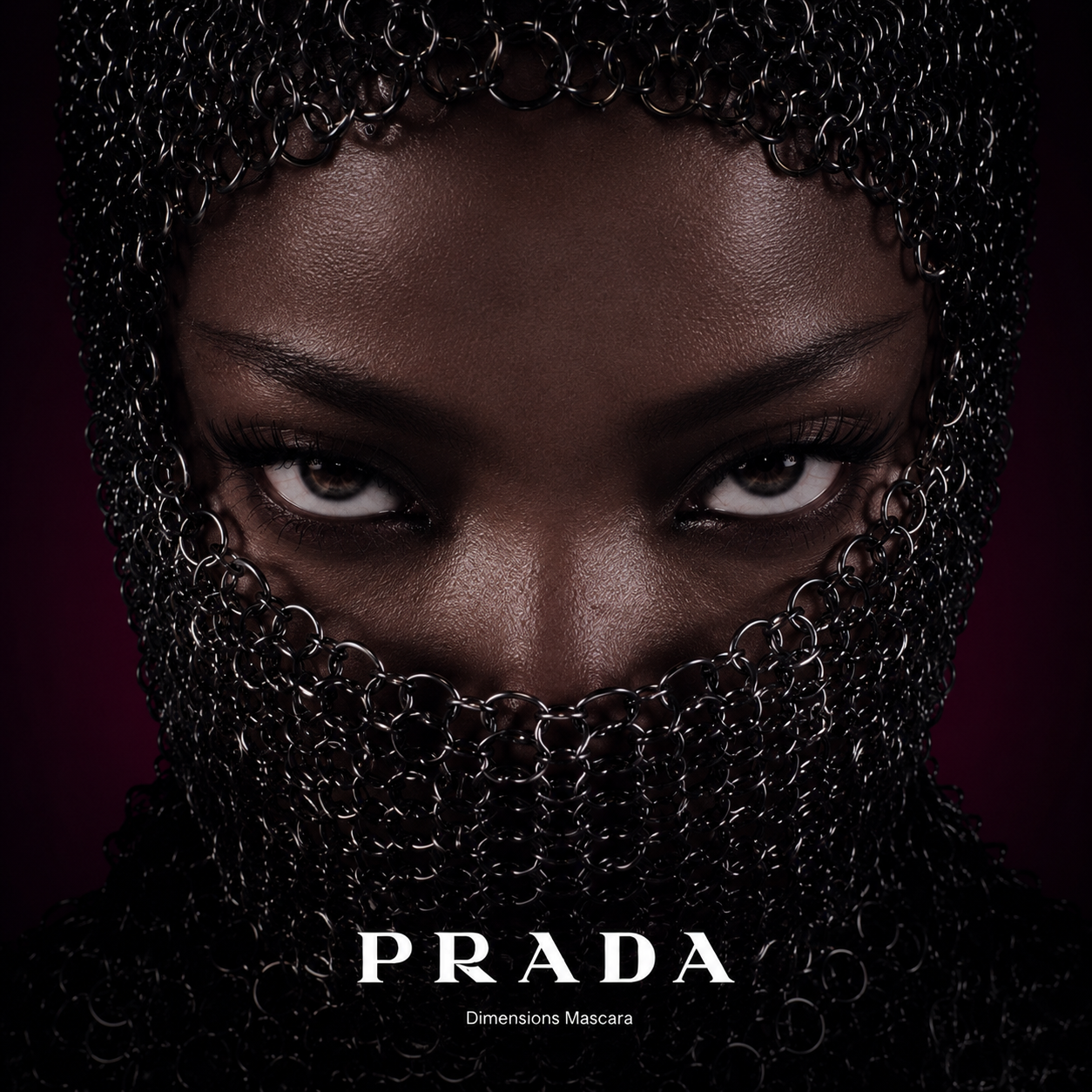
We reinterpret medieval iconography through contemporary fashion and beauty technology. Polished helmets, chainmail, chrome jewellery and swords become objects of haute couture. They are not signs of fear or defence, but visual expressions of autonomy, discipline and inner strength.
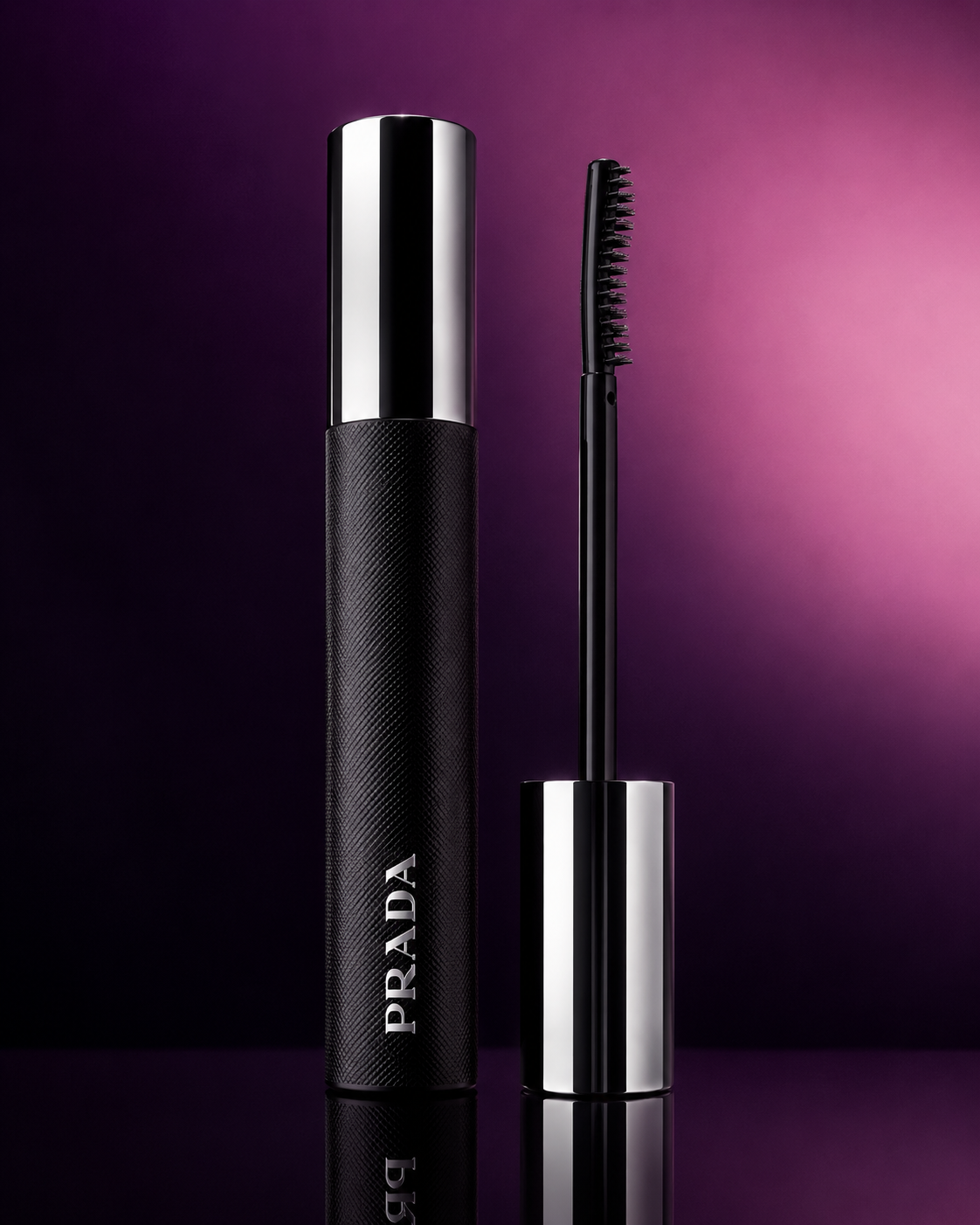
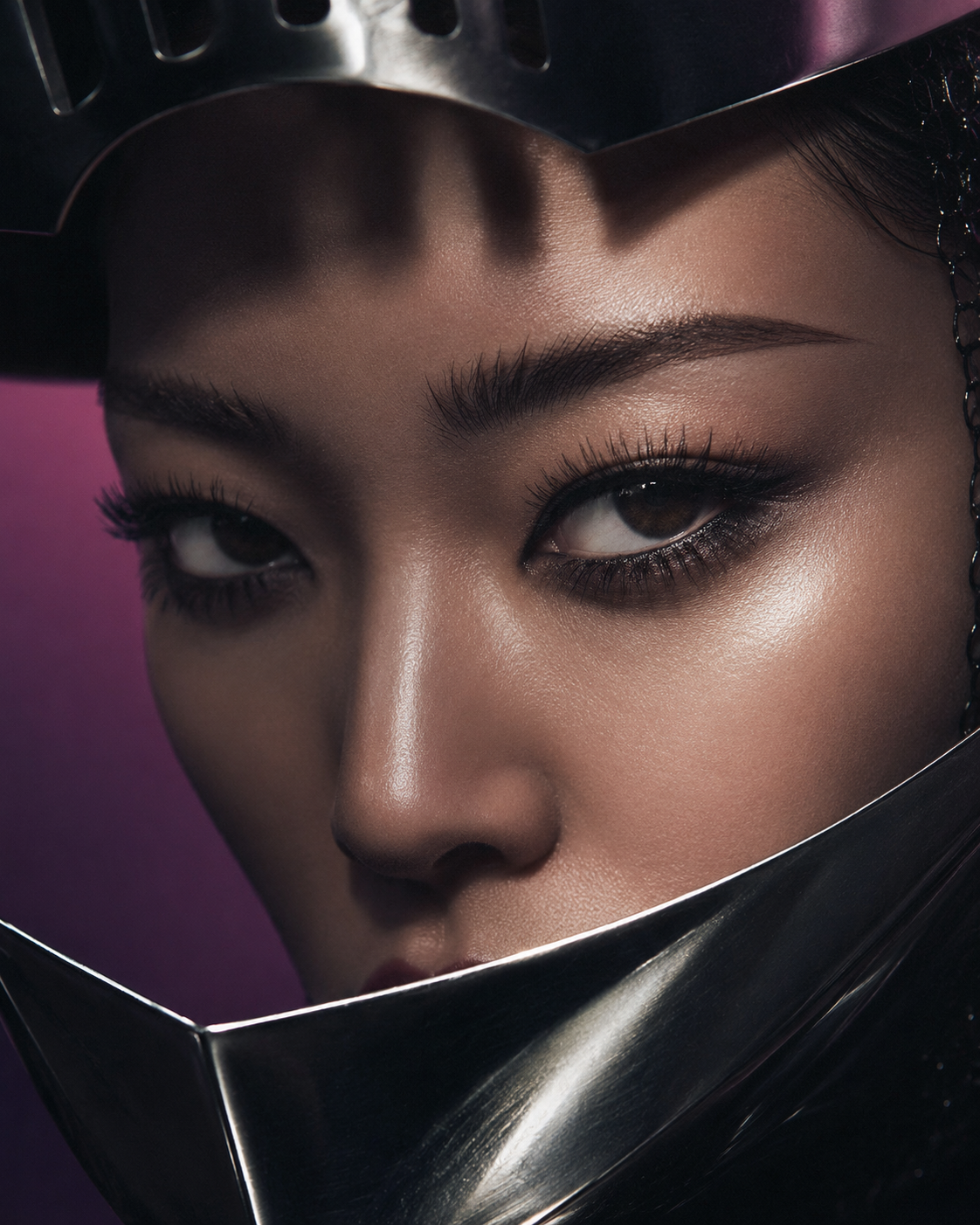
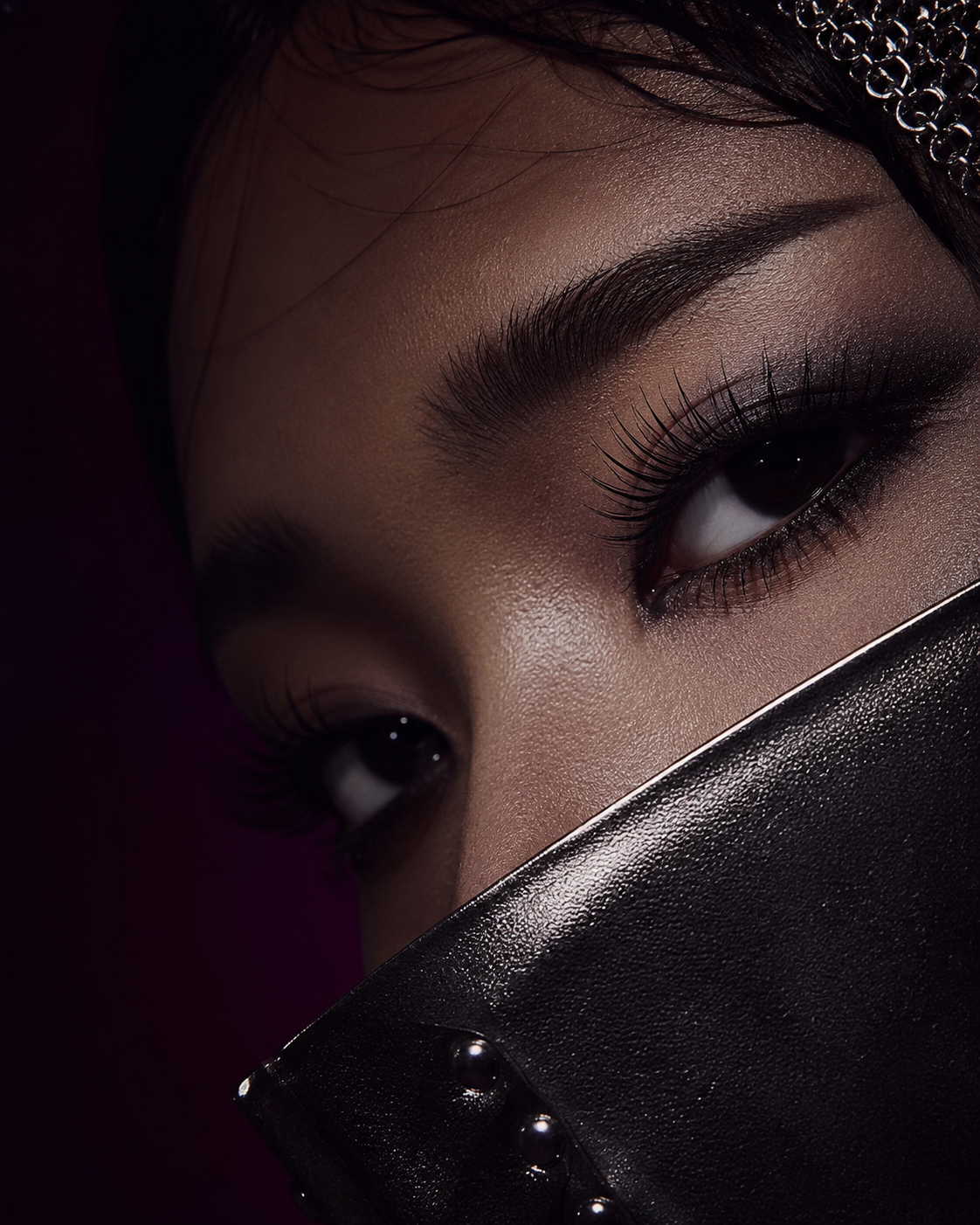
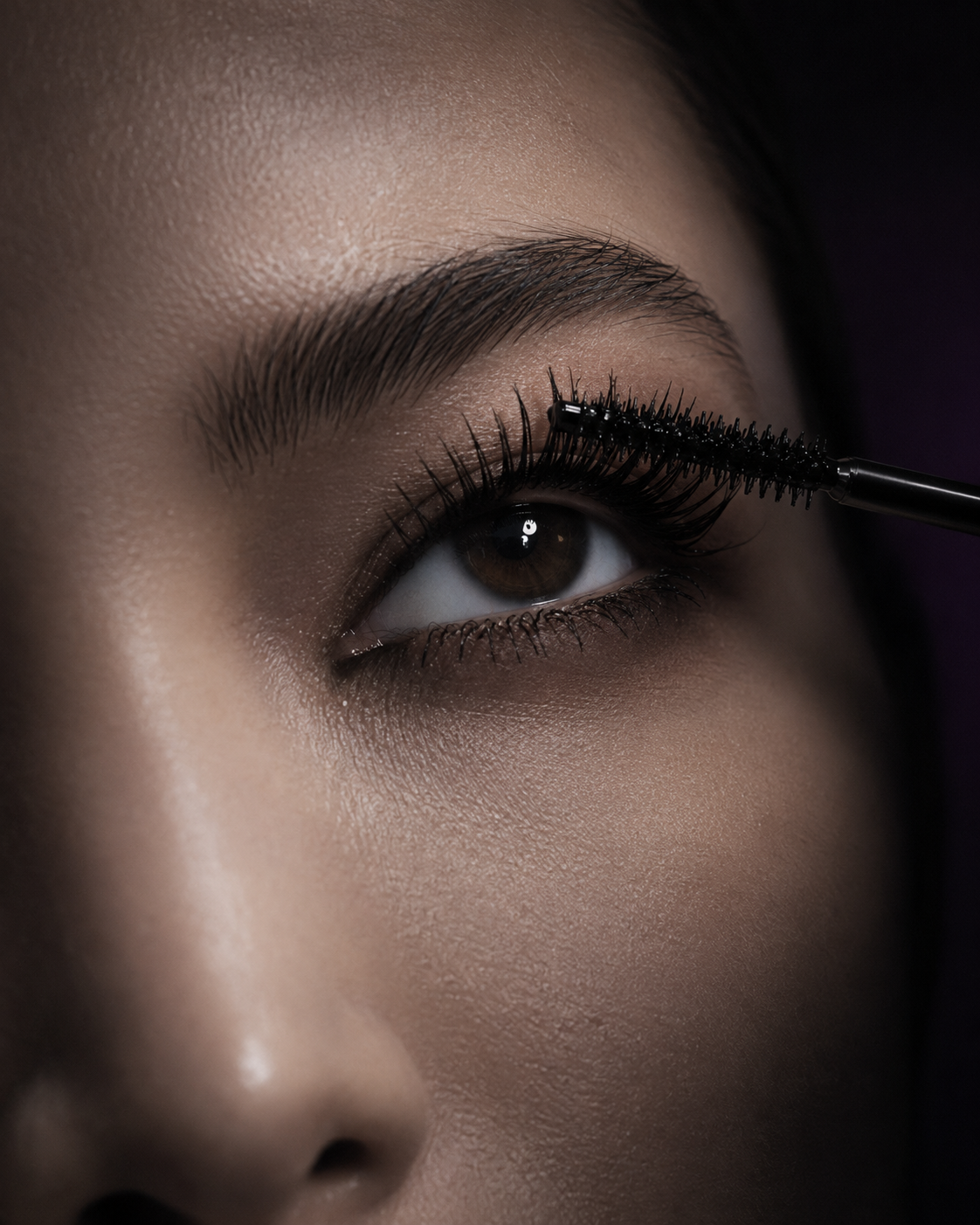
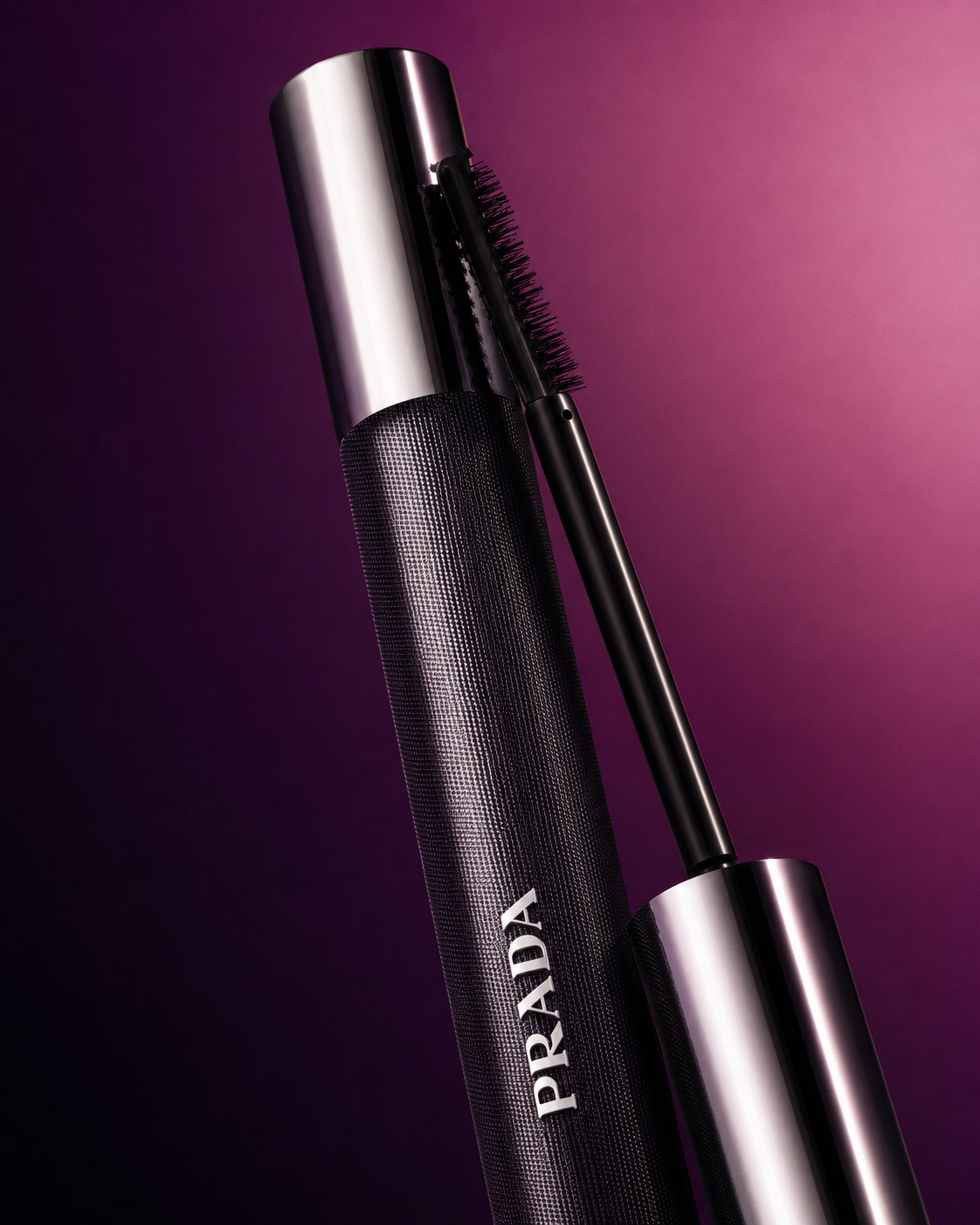
The masks and helmets frame the face without concealing it. Instead, they direct all attention toward the eyes — the central symbol of the campaign. Mascara becomes the final element of the armour: it defines the lashes, sharpens the expression and gives the gaze an almost physical presence.
Her gaze is a blade. It can stop, disarm and destabilise anyone standing before her. Yet the same gaze can close the distance, melt a guarded heart and transform vulnerability into power.
This creates a new kind of heroine. She is not waiting to be rescued, and she is not an accessory in someone else’s story. She chooses her own armour, controls her own image and defines the terms on which the world may approach her.
Campaign Symbolism
Armour represents personal boundaries, self-possession and emotional resilience. The mask is a beauty object that amplifies identity rather than hiding it. The sword symbolises precision, determination and the sharpness of the gaze. Mascara is the final ritual gesture, transforming the lashes into a visual weapon. The gaze is the heroine’s ultimate power: protective, seductive and emotionally disarming.
Manifesto
She does not wear armour because she fears the world. She wears it because she decides how close the world may come.
She does not need a sword to conquer. One gaze is enough.
It can disarm. It can stop time. It can melt even a heart protected by steel.